Components Of The Diamond
Carat
The vastness of the LUX is measured in units of Carats (ct).

Every Carat is an individual artwork, combining to illuminate the LUX Facet. When collected consecutively, Carats expand a collector’s ownership plot.
Consecutive Carats
Consecutive Carats are linked via ordinal endpoints once collected by a wallet address. Conversely, removing Carats from that wallet unlinks them.
Future drops will reward those who collect linked Carats, therefore expanding your plot is foundational.
A special set of 25 consecutive Carats combine to create an entire video frame. These are known as “Cuts”.
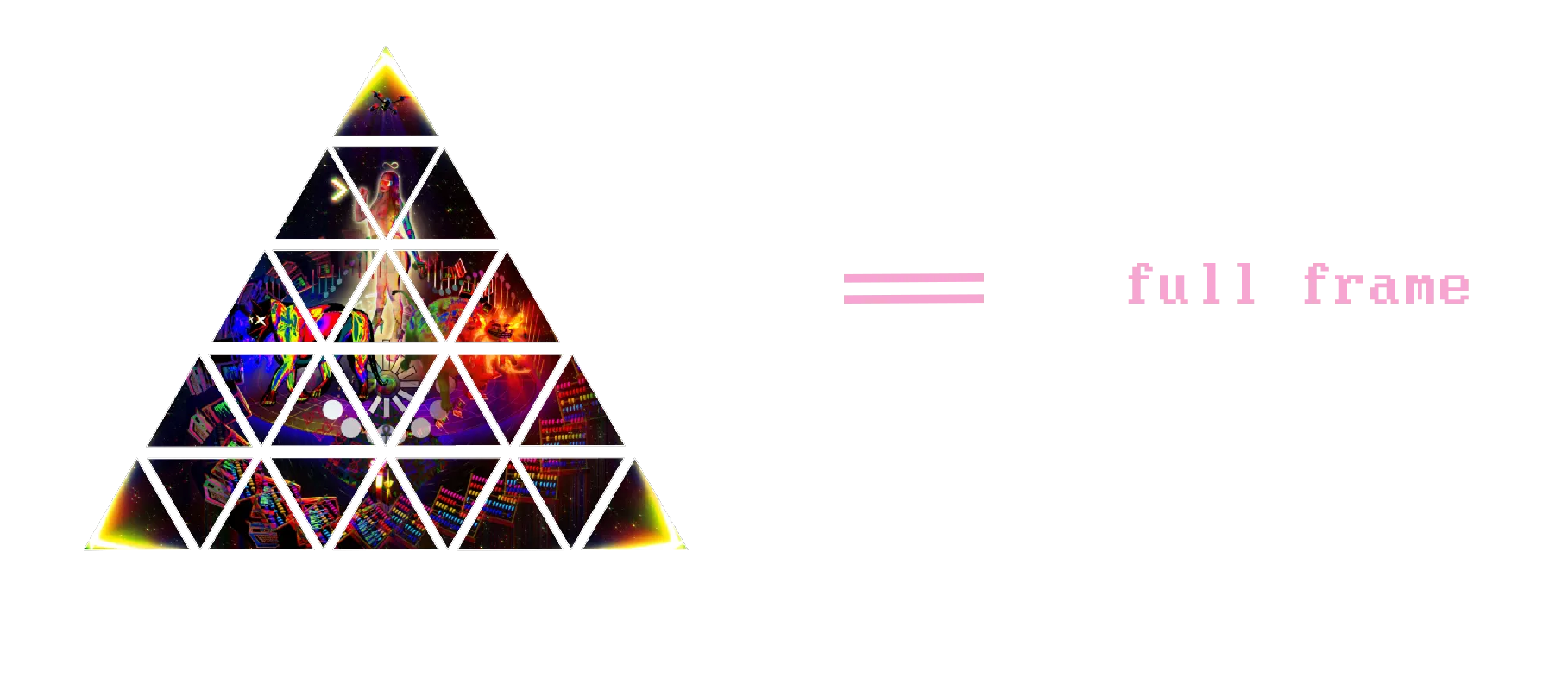
Neighboring Carats exist in numerical order. Carats which touch one another in a single Cut will be linked. These neighboring Carats connect to compile the 25 ct set. This scheme ends past the 25th Carat, after which the count of the next set begins.
For instance:
- The first Cut contains Carats 1-25
- The second Cut contains Carats 26-51
- The third Cut contains Carats 52-77
And so on.
Building Out Your Plot
Here’s an example of a 7 ct plot, built from sides that touch:
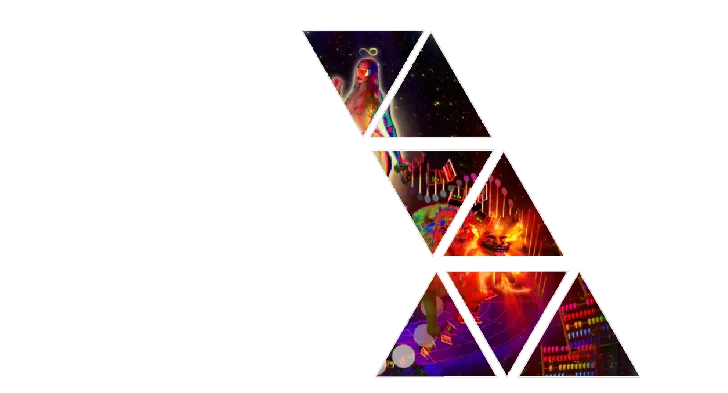
The goal is to complete as many Cuts as possible. An Atlas View* will be available to map which Carats are still required to complete your Cut. Carats are numbered top down in each Cut, and left to right (like a book).
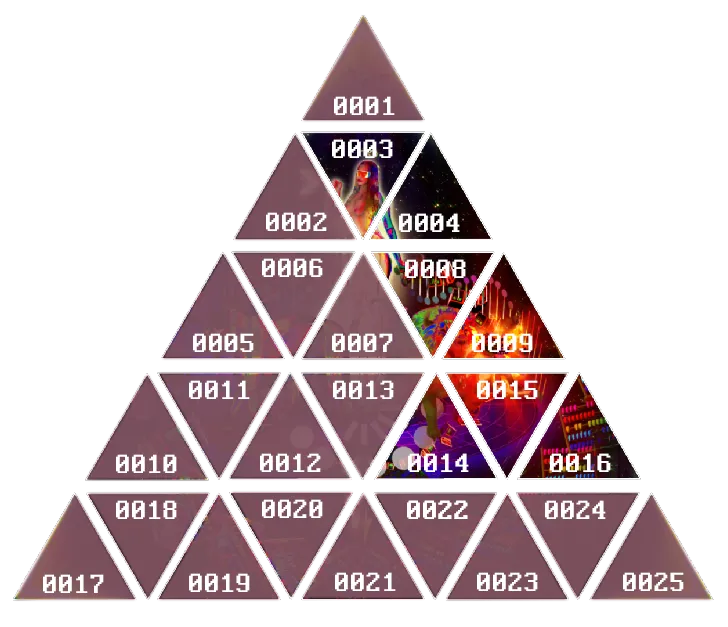
The Atlas View is a collector’s dashboard to assist with Carat collection.
Future implementations will allow Carat metadata to be updatable based on connected Carats. This will be a Terminus-specific feature, not yet available on various marketplace UI.
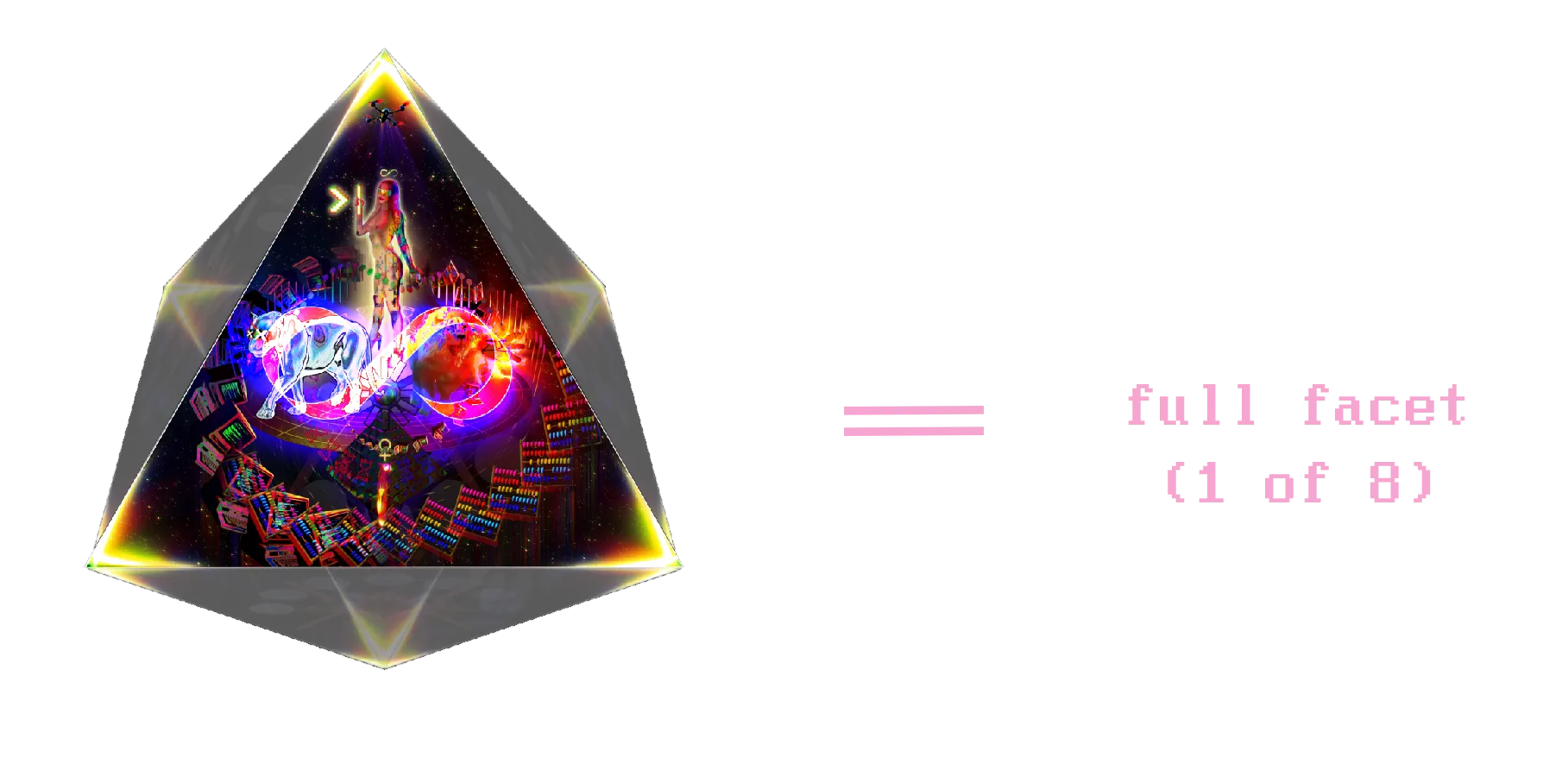
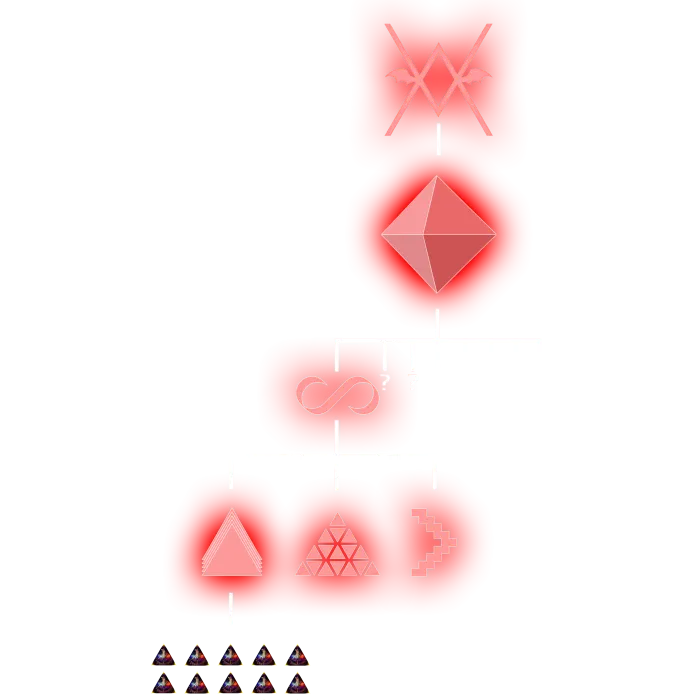
The first diamond Facet is comprised from a totality of 3775 ct.
Cuts As Video Stills
Cuts are the largest inscriptions that compile the LUX. The total Cut quantity for each Facet amounts to 151. These compile to create video playback, illuminating the diamond’s structure.
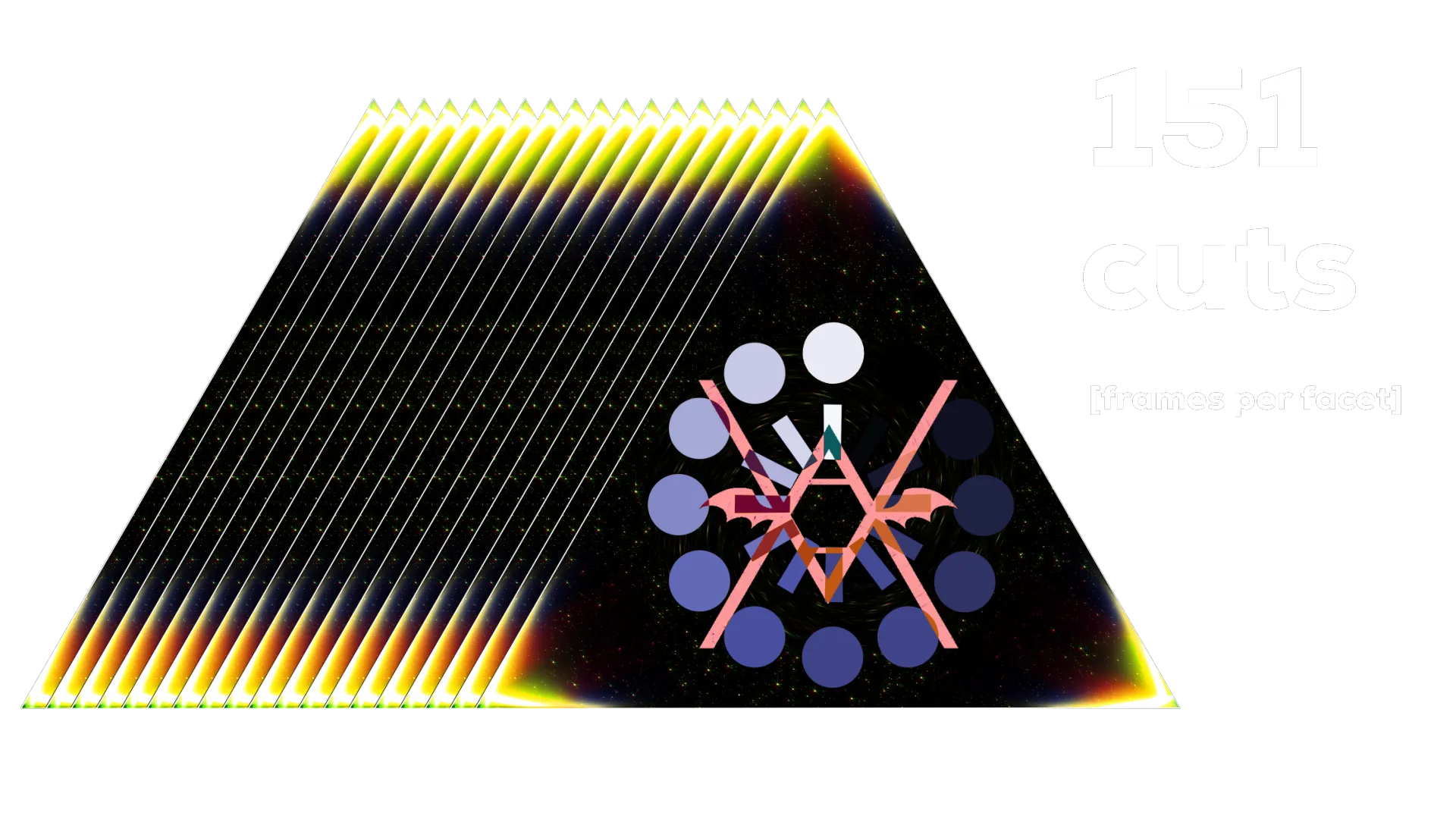
This playback is completed by deploying a two-part building system. The first process switches through all 151 Cuts consecutively, emulating a 15 fps framerate. Once the entire scene has been loaded via recursion, a second process is initiated during which the Cut switching is recorded. This dual process is used to optimize CPU usage, playing frames back at the proper speed, accounting for the delay created as data is called from the blockchain.
As each Facet loads, playback is revealed from the top downwards, prioritizing the calls of the upper regions first. This way, the nature of not being able to control rate limiting on various marketplaces is compensated for.
Facets
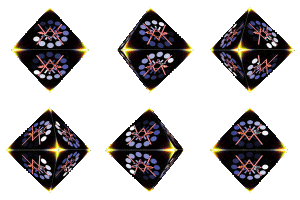
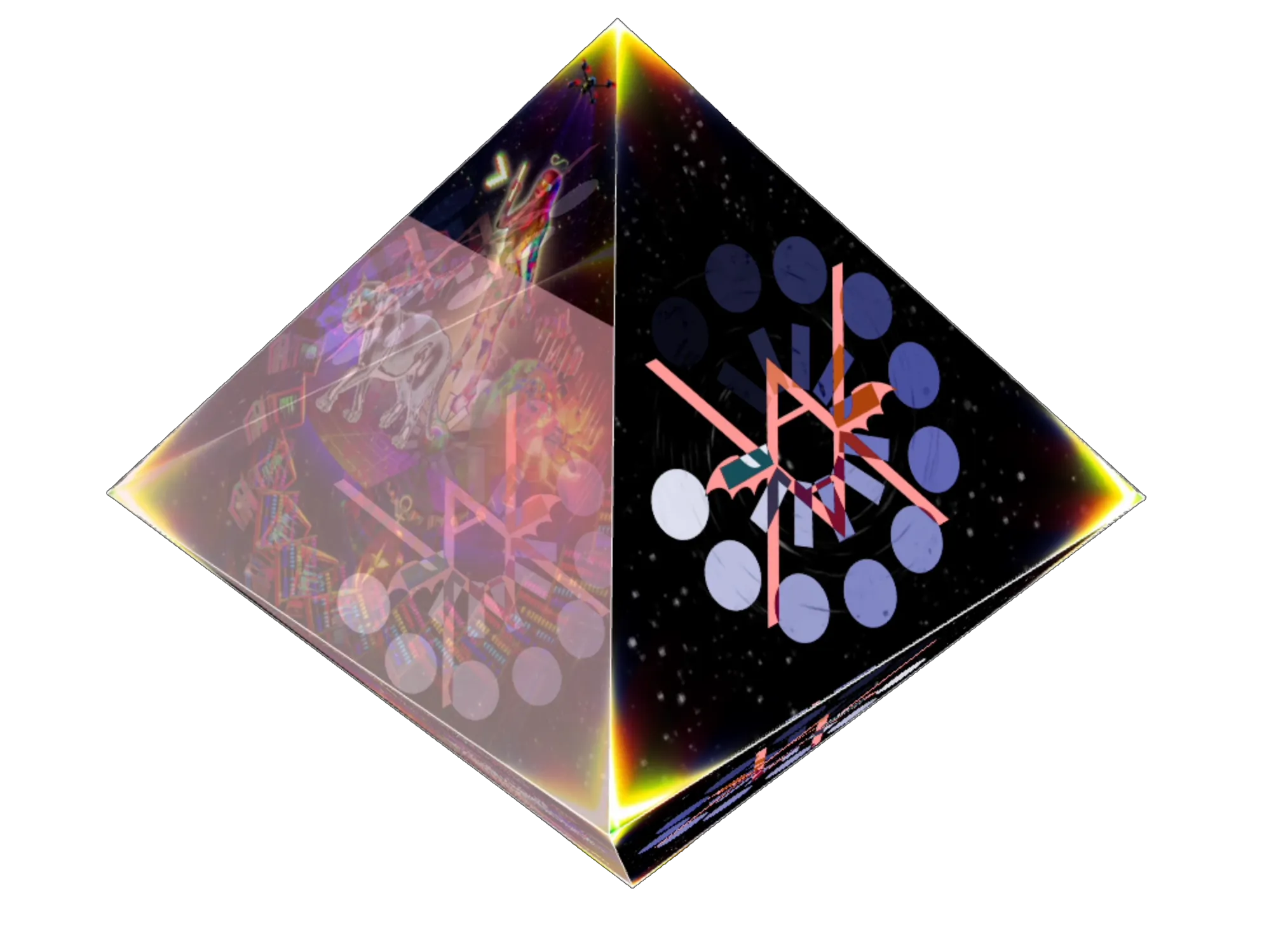
The base structure of LUX is octahedral. This eight-sided diamond displays place holders on each Facet prior to reveal.
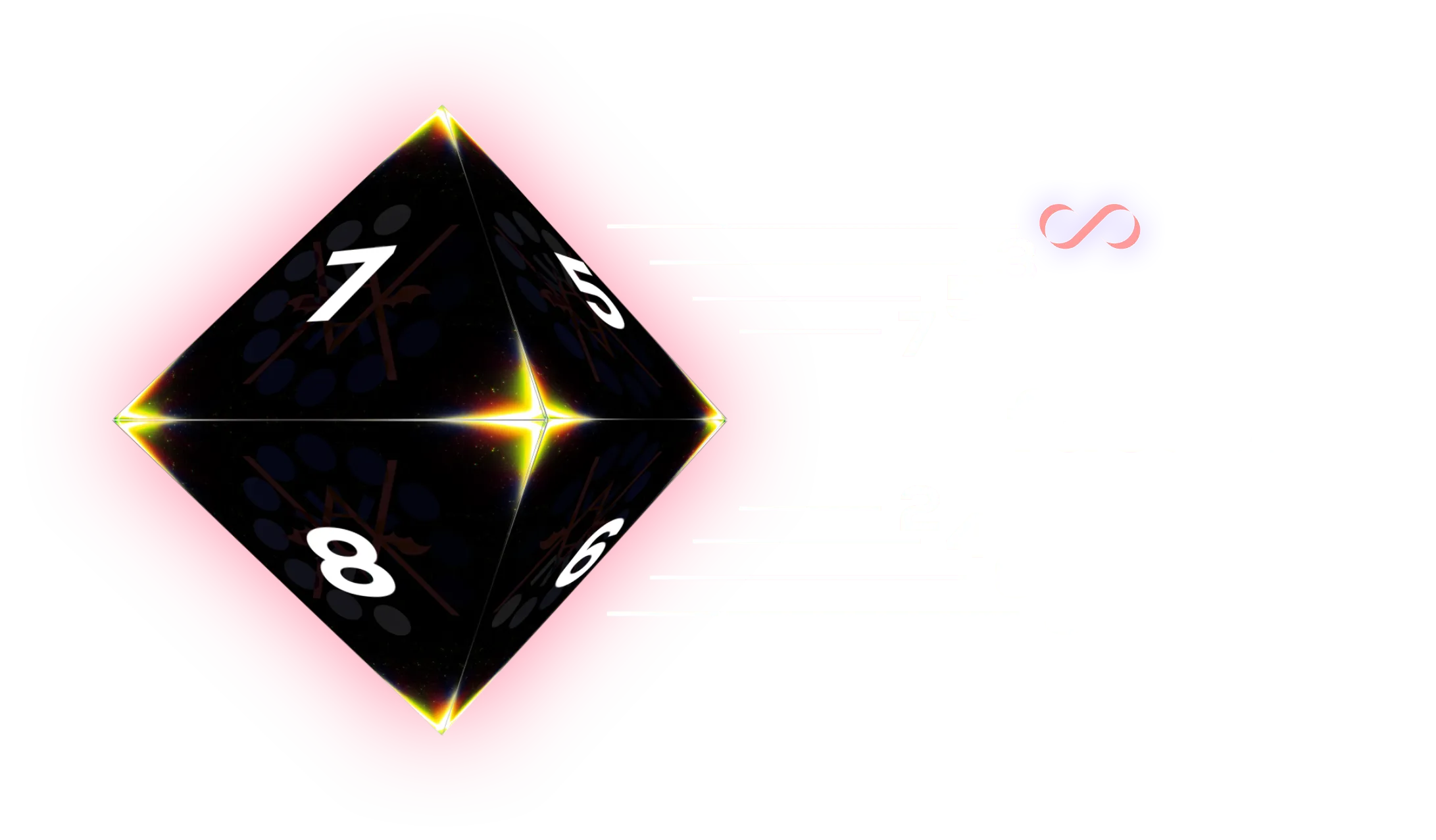
A Facet which is pending reveal will be seen emanating a pulsating glow. Once that drop completes, a new set of 151 Cuts build the next Facet of video.
In the LUX universe, Cuts are the largest data components inscribed. These produce playback using a special recording technique. Each time Facet video is reproduced on a user’s screen, the two-part playback mechanism is activated.
These Facets reveal 8 stories which unveil as we approach the event horizon. This story extends to the onchain data itself, which is glyph-sorted. Each set of Cut and Carat children belong to a glyph parent, signifying its symbolic Facet name.
Every Facet has its own artwork title, the first of which is OK Algo. As each Facet reveals, another iteration is added. This data paints the continued story across all of the jewel’s faces. The LUX will convert to an immutable object after all 8 Facets have been revealed, sealing the diamond in its completed form.